
Is Black Friday a scam? No. The sales are real. But it’s also the week scammers love most.
Millions of us are hunting for bargains and clicking fast. Scammers know that. They set up fake shops, send fake delivery texts and post fake giveaways, all timed for the sales.
I’ve spent years working in IT, and I’m a parent who loves a bargain as much as anyone. So I know how easily a great deal can turn into a bad week. In this guide, you’ll learn the 8 Black Friday scams to watch for, a 2-minute check before you buy, and what to do if you’ve already been caught.
Black Friday sales are real. Black Friday scams are fake shops, fake delivery texts and fake “you’ve won” messages. If a price looks too good, a message rushes you, or anyone asks for a gift card, stop and check first.
Here’s how it can go. (This is an example, not a real person.) It’s late Thursday night. A Facebook ad shows a big-name TV for $199. The website looks perfect, and a timer says you have 9 minutes left.
You pay. The TV never arrives. By Monday, the website is gone.
That’s the pattern behind most Black Friday scams: a great price, a ticking clock and a payment you can’t get back. In 2024, people filed more than 380,000 reports about online shopping with the FTC. Here are 8 versions to watch for.
1. Fake Stores With Prices That Are Too Good to Be True
The problem: You spot a name-brand TV, phone or air fryer at a price that makes you gasp.
Why it happens: Scammers copy a real store’s logo and photos and build a fake shop in an afternoon. The FTC warns that fake sites and ads borrow pictures and branding from real businesses. They can even turn up in Google results and social media ads.
The fix:
- Don’t click the ad. Open your browser and type the store’s name yourself.
- Search the store’s name with the word “reviews” or “scam” and see what comes up.
- If you’ve never heard of the shop and the discount is huge, walk away.
We already know many people buys or ask friends for reviews.
Want a longer checklist? See our guide on how to shop online safely.
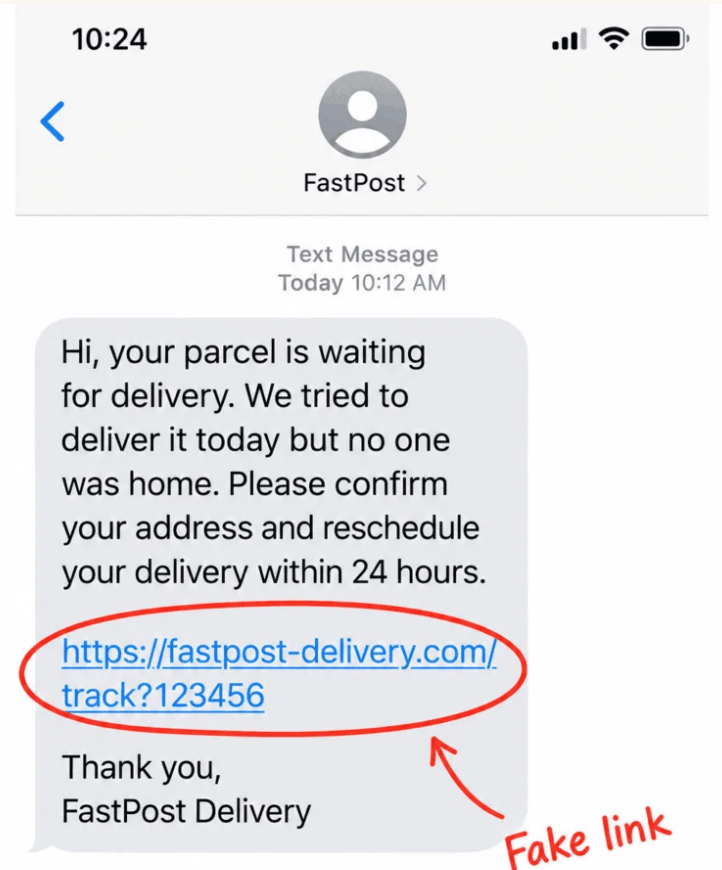
2. Fake Delivery Texts and “Problem With Your Order” Messages
The problem: A text says your parcel can’t be delivered and asks you to tap a link.
Why it happens: During Black Friday you really are expecting parcels from several stores, so a message like this feels normal. Scammers are counting on that. The link leads to a fake page that asks for your card details or password.
The fix:
- Don’t tap the link in the text.
- Open the store’s app, or type the store’s address yourself, and check your order there.
- Already tapped it? Follow the steps in what to do if you clicked a phishing link.
3. “Sale” Prices That Were Never Real
The problem: A jacket says “Was $200, now $60,” but you’re not sure it was ever $200.
Why it happens: This one isn’t always a scam, but it can be misleading. Some stores raise prices before the sale so the discount looks bigger than it really is.
The fix:
- Check the same item at two or three other stores.
- Look for a free price-history tool for the shop you’re using.
- Ask yourself: would I buy this at this price on a normal Tuesday?

4. Social Media Ads and Marketplace Sellers
The problem: An ad takes you to a shop you’ve never seen, or a Marketplace seller wants you to pay outside the app.
Why it happens: FTC reports show that many online shopping scams start on social media. Scammers can buy ads just like real shops do.
The fix:
- Before you buy, search for the shop’s name outside the social media app.
- Check how long the page has existed and whether the comments look real.
- On Marketplace, never pay by bank transfer, payment app or gift card. If you’ve been caught, here’s how to report a scammer on Facebook Marketplace.
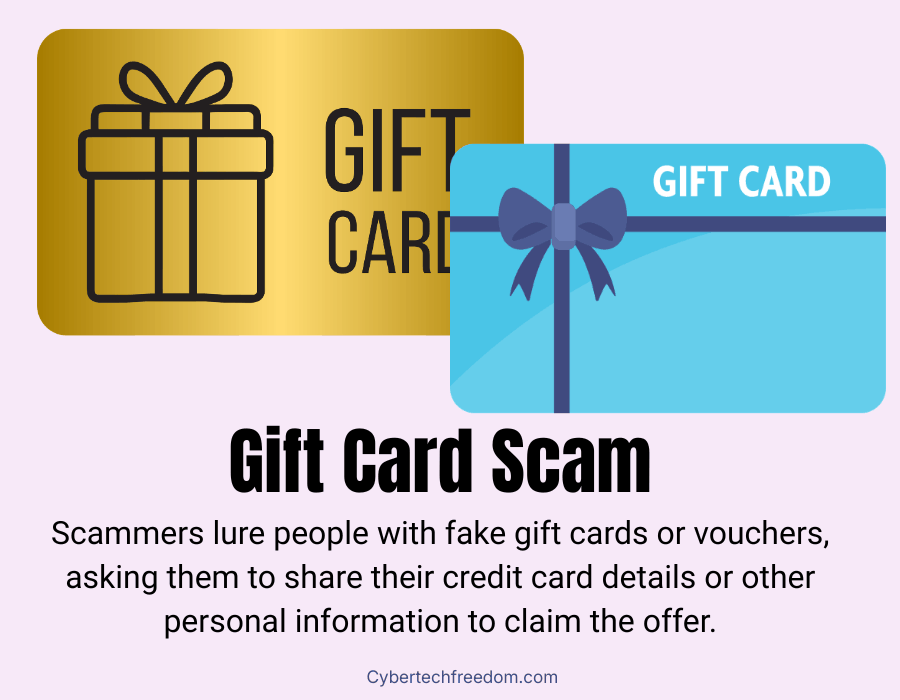
5. Anyone Who Asks You to Pay by Gift Card, Wire Transfer or Payment App
The problem: The seller says, “For the best price, pay with gift cards,” or asks you to send money through a payment app.
Why it happens: Gift cards, wire transfers, payment apps and cryptocurrency as common scam payment methods. They’re very hard to undo. A credit card gives you a way to dispute the charge.
The fix:
- Pay by credit card when you can.
- If a seller insists on gift cards or a transfer, stop. A real store never asks for gift cards
6. Fake “Your Account Is Locked” Emails From Big Stores
The problem: An email from “Amazon” or “Walmart” says your account is locked and asks you to confirm your details now.
Why it happens: The button leads to a fake login page that grabs your password. Scammers send these in huge numbers during sales, because so many of us have shopping accounts.
The fix:
- Don’t click buttons or links in the email.
- Open the store’s app, or type its address yourself, and check your account there.
- Learn the warning signs in how to spot a phishing email: 8 red flags.
7. Products That Aren’t What You Ordered
The problem: The item that arrives is cheap, different or not what the photo showed.
Why it happens: Misleading and fake products are common online, especially at huge discounts. Sometimes the “sale” model is a cheaper version with fewer features. I’m sure some of us have been victim to this scam and when you contact them – no response.
The fix:
- Find the exact model number and check it on the brand’s own website.
- Read reviews on a different site, not just on the seller’s page.
- For big items like TVs, buy from the brand or a store you already know. I usually buy my electronics from the store or from their websites.
8. Fake Giveaways and “You’ve Won a Gift Card” Messages
The problem: A message says you’ve won a $500 gift card. All you have to do is answer a quick survey.
Why it happens: Australia’s Scamwatch warns that these fake promotions trick people into handing over bank details and passwords, which scammers then use or sell. The “survey” is the trap.
The fix:
- Ignore it. Real prizes don’t ask for card details.
- Never type your bank or card details to “claim” something.
- Go to the company’s real website and see if the offer even exists.
Your 2-Minute Check Before You Buy
Before you pay for anything this week, run through this list to dodge Black Friday scams:
- Type the store’s address yourself. Don’t use the ad link.
- Search the store’s name with “reviews” or “scam.”
- Check the full price, including shipping, extra fees and the return policy.
- Pay by credit card when you can.
- Skip public Wi-Fi when you pay. Here’s how to use public Wi-Fi safely.
It takes two minutes. It can save you months of hassle.
What to Do If You Already Got Caught
First, take a breath. This happens to smart, careful people every year. Here’s what to do.
- Call your card company. Use the number on the back of your card. Tell them you think you paid a fake shop and ask to dispute the charge.
- Change your passwords if you typed one into a fake page. Start with your email and your bank. Here’s how to create a strong password you can actually remember.
- Watch your statements closely for the next few weeks.
- Report it. In the US, report it at ReportFraud.ftc.gov. In Australia, report it to Scamwatch. If your personal details were exposed, IDCARE offers support.
- Ignore “recovery” offers. Anyone who says they can get your money back for a fee is another scammer.
Bottom Line
Black Friday deals are real. Black Friday scams are real too. The best protection is simply slowing down and following basic digital habits.
A real deal will still be there after a 2-minute check. A fake one usually won’t survive it. Enjoy shopping and be safe.
Want to see how safe your everyday habits really are? Take our free 2-minute Digital Safety Quiz. And if you’re buying for someone who falls for scams, our Safety Gift Guide has gifts that actually protect people.
Is Black Friday a scam?
No. Black Friday sales are real. The scams are the fake shops, fake delivery texts and fake giveaways that appear around them.
Are Black Friday deals real?
Many are, but some discounts look bigger than they are. Compare the price at two or three other stores before you buy.
How do I know if a Black Friday website is real?
Type the store’s address yourself instead of clicking an ad. Then search its name with “reviews” or “scam,” and pay by credit card if you can.
Is it safe to shop on public Wi-Fi?
It’s safer to wait. Use your phone’s data or your home network when you enter card details. Our guide on public Wi-Fi safety explains why.
What should I do if I paid a scammer with a gift card?
Call the company that issued the card right away and keep the card and receipt. Our guide on gift card scams walks you through every step.

Black Friday is the worst for scams. Thanks for this useful guide to review before the big day!
This is so helpful, especially with holiday shopping and Black Friday right around the corner. Thanks for sharing!
This is right on time! With Black Friday coming up, it’s easy to get excited about a bargain and click before checking things out. Thanks for sharing what to watch for—the 2-minute check before buying is especially helpful!
Great article. I think we’ve all been tempted by deals that seem too good to pass up, especially during big sales events. It’s easy to get caught up in the rush and miss the warning signs. This was a helpful reminder to stay vigilant and do a little extra checking before making a purchase.
Yes, Black Friday sale creates a right environment for the scammers- the urgency, limited time and the best price tags make some people let their guard down and that’s when they make mistake.